
Notice: Student Advisory Council
We are looking for students with an interest in mental health awareness and education, who can lend skills, guidance and unique student perspectives to the operations and programming of the counseling center.
The Center for Counseling and Well-Being has a team of licensed mental health professionals committed to improving your mental health through prevention, education and counseling.
Related content

Urgent Support
GRCC Counselors are available for brief, same-day, urgent walk-in consultation Monday-Friday 9 a.m.-4 p.m. in the Student Center, Room 368.
Please note: Walk-in consultations are only offered when classes are in session. If there is an immediate threat to self or others, contact 911.
Our Services
We are a free resource for mental health services. We provide short-term individual counseling, group counseling, workshops, mental health tips and resources, and off campus referrals. We gladly offer both in person and virtual services.
Note: If you are looking for help with academic planning (selecting classes), transfer planning and graduation, please visit our Academic Advising and Transfer Center.
Related content

Services and Programs to Meet Your Needs


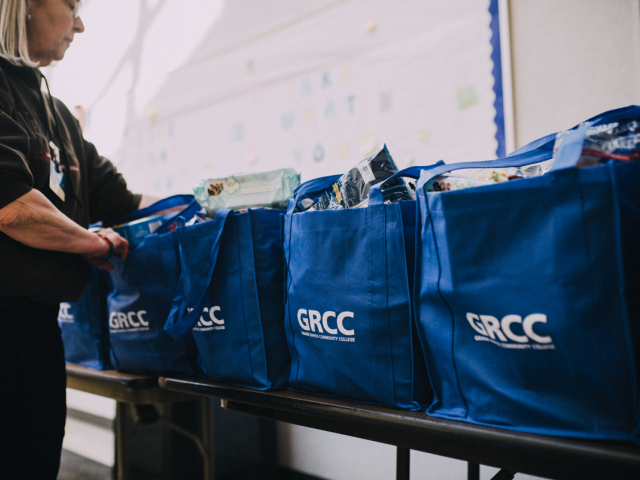
Upcoming Events
Counseling by the Numbers: 2023-2024
The GRCC Center for Counseling and Well-Being offers help in many ways and provides help to many GRCC students yearly. View full reports to learn more.
Our Commitment to Culturally-Competent Services for All Students
GRCC’s Center for Counseling and Well-Being (CCWB) faculty and staff are wholly committed to providing culturally competent services to the GRCC campus community and to fostering an environment that is respectful and inclusive of all. We are privileged to welcome and serve students from all walks of life. We celebrate and affirm the diverse characteristics and identities of our students, including (but not limited to) those related to age, race, color, ethnicity, religion, national origin, sexual orientation, gender identity, gender expression, disability, height, weight, socioeconomic status, familial status, veterans status, and political affiliation.
The CCWB center is careful to consider the impacts of historical, cultural, social, political, racial, and economic factors on the experiences, thoughts, emotions, and behaviors of the students we serve. We also acknowledge the impact that stereotypes, prejudice, discrimination, and oppression have on the mental health and well-being of GRCC students. We further understand that these factors oftentimes have a direct impact on academic success.
With this in mind, the CCWB center strives to create, promote, and maintain an atmosphere of acceptance, safety, and authenticity. Our commitment to equity and inclusion includes a genuine commitment to openness and advocacy for all GRCC students. The CCWB center respects, honors, and celebrates the various social identities, backgrounds, similarities, and differences that makes GRCC a vibrant campus and learning community. This steadfast dedication drives and guides our departmental efforts to expand and enhance our collective knowledge base as it relates to addressing the mental health challenges of a diverse campus community.
Faculty & Staff
Leadership
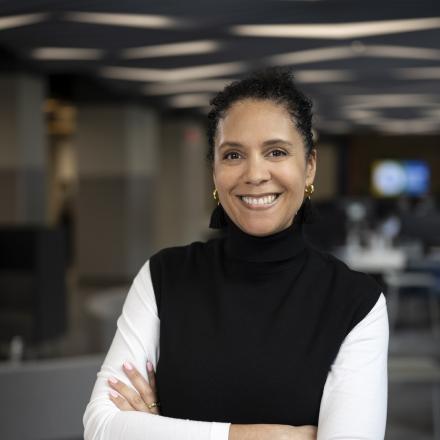
Melissa Ware
Program Director/Assistant Professor/Counselor
(616) 234-3486
Professional Support Staff

Sandy Gregory
Support Professional
(616) 234-2104
Faculty

Loanna Abreu Perez
Assistant Professor/Counselor
(616) 234-3096

Kelly Dillon
Assistant Professor/Counselor
(616) 234-3896
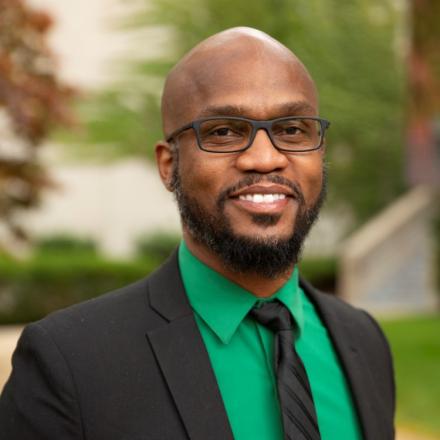
Andre Fields
Professor/Counselor
(616) 234-4635
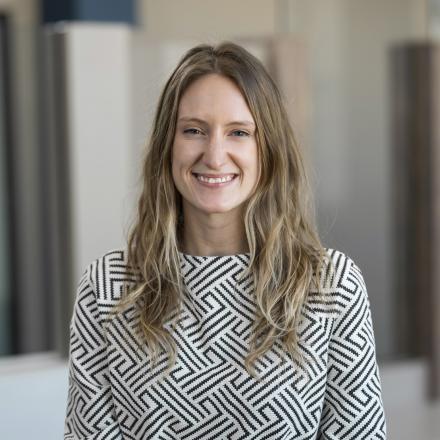
Becca Lovell
Assistant Professor/Counselor
(616) 234-2213

Deborah Ronk
Assistant Professor/Counselor
(616) 234-2171